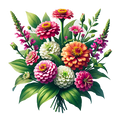
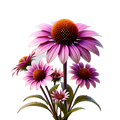




Wildflowers are a beautiful and easy way to bring colour, biodiversity, and natural charm to your garden. Whether you have a large backyard, a small garden bed, or even a sunny corner to spare, wildflowers can create a vibrant display that attracts bees, butterflies, and other beneficial pollinators.
This beginner's guide will walk you through everything you need to know to successfully sow wildflower seeds at home.
Why Grow Wildflowers?
Wildflowers offer many benefits beyond their natural beauty:
- Support bees, butterflies, and other pollinators
- Require less maintenance than traditional flower beds
- Add colour and interest throughout the growing season
- Improve biodiversity in your garden
- Adapt well to a variety of growing conditions
Choosing the Right Wildflower Mix
Before sowing, select a wildflower seed mix that suits your garden and climate.
Consider:
- Annual wildflowers for quick colour in the first season
- Perennial wildflowers for long-term displays year after year
- Pollinator-friendly mixes designed to attract bees and butterflies
- Always check the recommended growing conditions on the seed packet before planting.

When to Sow Wildflower Seeds
The best sowing time depends on your climate and the seed varieties included in your mix. Generally:
- Spring sowing provides blooms during the same growing season.
- Autumn sowing allows many species to establish naturally and bloom the following year.
- Choose a period when soil is workable and not excessively wet or dry.
Selecting the Perfect Location
- Most wildflowers thrive in:
- Full sun (at least 6 hours daily)
- Well-drained soil
- Areas with minimal competition from existing plants
- Avoid heavily shaded locations unless using a mix specifically designed for shade.
Preparing the Soil
Proper soil preparation is one of the most important steps for successful germination.
- Remove weeds, grass, and other vegetation.
- Loosen the top layer of soil with a spade, garden fork or rotary hoe.
- Break up large clumps and remove stones or debris.
- Rake the surface until it is level and fine-textured.
Wildflowers often perform better in lower-fertility soils, so excessive fertiliser is usually unnecessary.

How to Sow Wildflower Seeds
Wildflower seeds are often very small, so careful distribution is important.
- Mix the seeds with dry river sand to help spread them evenly.
- Scatter the mixture across the prepared area.
- Sow half the seed while walking in one direction and the remaining half at a right angle.
- Gently press the seeds into the soil using a board, roller, or by lightly walking over the area.
Do not bury the seeds deeply, as many wildflower varieties require light to germinate.

Watering After Sowing
Keep the soil consistently moist during germination.
- Water gently to avoid washing seeds away.
- Continue watering during dry periods until seedlings become established.
- Once mature, many wildflowers are relatively drought-tolerant.
Caring for Young Wildflowers
During the first few weeks:
- Monitor for weeds and remove them carefully.
- Avoid overwatering.
- Protect newly sown areas from heavy foot traffic.
- Patience is important, as different species germinate and grow at different rates.

Common Mistakes to Avoid
Sowing Into Existing Grass
Grass competes heavily with young wildflowers for nutrients, light, and moisture.
Burying Seeds Too Deeply
Many wildflower seeds need exposure to light for successful germination.
Over-Fertilising
Rich soils can encourage excessive leaf growth and weeds rather than abundant flowers.
Expecting Instant Results
Some species bloom quickly, while others may take a full season or longer to establish.
When Will Wildflowers Bloom?
Annual wildflowers may begin flowering within a few months of sowing.
Perennial varieties often spend their first season developing strong root systems before producing their best floral displays in subsequent years.
A mixed wildflower planting can provide continuous colour throughout the growing season as different species bloom at different times.
Creating a Pollinator-Friendly Garden
Wildflowers are among the best plants for supporting local wildlife.
To maximise pollinator activity:
- Plant a diverse mix of flower species.
- Choose varieties with staggered bloom times.
- Avoid unnecessary pesticide use.
- Provide a nearby water source for beneficial insects.

Grow with Confidence
Sowing wildflowers is one of the simplest and most rewarding gardening projects for beginners. With proper site preparation, quality seed, and a little patience, you can transform an ordinary space into a colourful, wildlife-friendly haven.
Whether you're creating a small garden feature or a larger meadow-style planting, wildflowers provide beauty, biodiversity, and enjoyment season after season.